
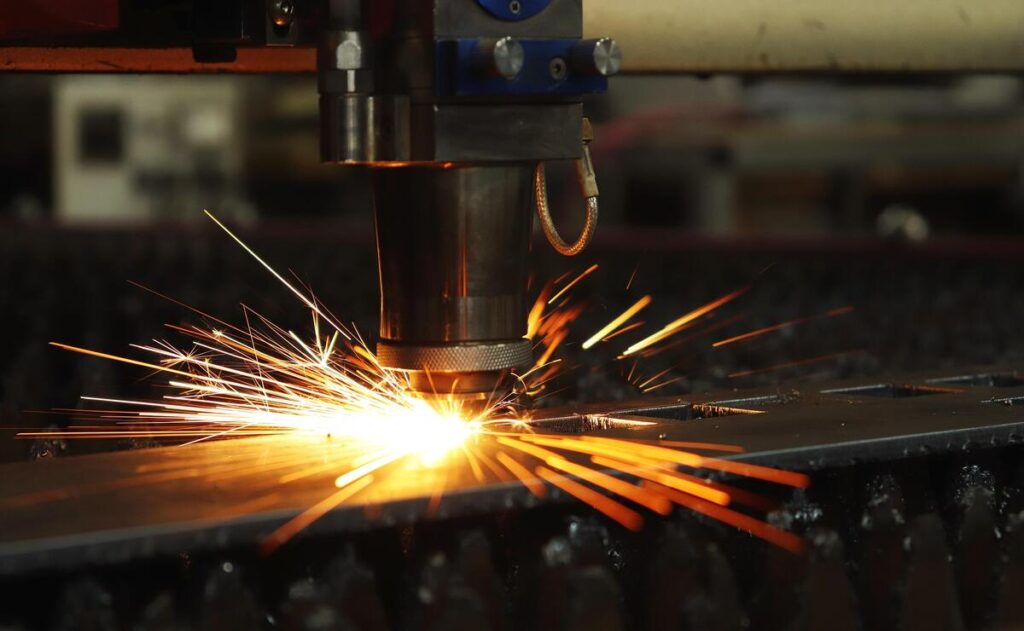

Secure Financing for the CNC Equipment Your Shop Needs
Your next machine should move your business forward, not drain your working capital. Whether you’re adding your first CNC mill, replacing an aging lathe, expanding into lights-out machining, or taking on a larger production contract, the right financing can help you get the equipment in place faster and pay for it over time.
A CNC machine loan gives qualified shops a practical path to acquire high-value equipment without tying up cash that may be needed for payroll, tooling, materials, software, facility improvements, and day-to-day operations. With the right lender, the process can be straightforward: understand your equipment need, prepare your financial documents, compare financing structures, and choose terms that align with your production goals.
If you’re ready to explore CNC machine financing, we can help you move from “we need the machine” to “we’re approved and ready to buy.”
Ready to finance your next CNC machine?
Request a Financing Quote
Get the Machine First. Pay Over Time.
CNC equipment can unlock new capacity, tighter tolerances, shorter lead times, and stronger margins. But the upfront cost can be significant, especially when you factor in tooling, delivery, installation, training, software, coolant systems, workholding, automation, and possible electrical or facility upgrades.
That is where CNC equipment financing becomes a strategic business tool.
Instead of paying the full purchase price upfront, financing allows you to spread payments over a defined term. That may help you preserve cash, protect operating flexibility, and start generating revenue from the machine while you repay the loan or financing agreement.
For many machine shops, manufacturers, fabricators, and job shops, the question is not simply “Can we afford this CNC machine?” It is “Can this CNC machine help us produce enough value to justify the monthly payment?”
When the answer is yes, financing can help you act decisively.
Why Businesses Finance CNC Machines
A CNC machine is rarely just another asset. It is often the engine behind new contracts, faster throughput, better quality control, and greater production independence. Businesses choose CNC machine financing for practical reasons, including:
- Preserving working capital for materials, labor, tooling, and operations
- Increasing production capacity without waiting until enough cash is saved
- Replacing outdated equipment before breakdowns disrupt delivery schedules
- Improving precision and consistency for complex parts and repeat jobs
- Taking on larger contracts that require more spindle time or advanced capabilities
- Bringing outsourced work in-house to improve control and margins
- Adding automation such as bar feeders, pallet changers, or robotic loading systems
- Matching payments to business use so the equipment can contribute to revenue while being paid down
A well-structured CNC machine loan can be more than a way to buy equipment. It can be a growth lever.
Financing Built Around Your Equipment Goals
No two shops are exactly alike. A startup prototype shop has different financing needs than a long-established aerospace supplier. A business buying a used vertical machining center has different considerations than a manufacturer purchasing a new multi-axis CNC turning center with automation.
That is why CNC equipment financing should begin with the business case.
Before applying, it helps to define:
- What machine you want to buy
- Whether it is new or used
- The purchase price and total project cost
- The vendor, dealer, auction source, or private seller
- How quickly you need funding
- How the machine will improve revenue, capacity, efficiency, or quality
- Whether you need financing for add-ons, installation, tooling, or software
- How much cash you are comfortable putting down, if any
- What monthly payment range makes sense for your cash flow
The clearer your plan, the stronger your financing conversation will be.
What Can a CNC Machine Loan Be Used For?
A CNC machine loan may be used to finance a wide range of equipment types and related assets, depending on lender guidelines and the structure of the transaction. Common use cases include:
CNC Mills and Machining Centers
Finance vertical machining centers, horizontal machining centers, 3-axis mills, 4-axis machines, 5-axis CNC machines, and high-speed milling equipment. These machines are often used for precision components, tooling, dies, molds, aerospace parts, medical devices, automotive components, and general manufacturing.
CNC Lathes and Turning Centers
A CNC machine loan can support the purchase of turning centers, multi-axis lathes, Swiss-type machines, twin-spindle turning centers, and live-tooling machines. These assets are commonly used for shafts, bushings, fittings, fasteners, valves, connectors, and high-volume turned parts.
Routers, Plasma Cutters, Lasers, and Waterjets
CNC equipment financing is not limited to metalworking mills and lathes. Many businesses finance CNC routers, plasma cutting tables, fiber lasers, CO2 lasers, waterjet cutting systems, engraving machines, and sign-making equipment.
EDM Equipment
Electrical discharge machining equipment, including wire EDM and sinker EDM systems, can also be financed. These machines are often vital for mold making, die manufacturing, toolrooms, and high-precision applications.
Automation and Accessories
Depending on the financing program, you may be able to include equipment accessories such as:
- Tool changers
- Bar feeders
- Chip conveyors
- Pallet systems
- Robotic loaders
- Probing systems
- Workholding and fixtures
- Coolant filtration systems
- CAD/CAM software
- Installation and freight costs
- Training and setup expenses
If these additions are necessary to make the machine productive, ask whether they can be included in the financed amount.
CNC Machine Financing Options
There are several ways to finance CNC equipment. The right option depends on your credit profile, time in business, equipment type, cash flow, tax strategy, and ownership goals.
Equipment Loan
An equipment loan is one of the most common structures for buying CNC machinery. The lender provides funds to purchase the equipment, and the machine typically serves as collateral. You make fixed payments over the agreed term, and once the loan is paid off, you own the machine outright.
This structure may be a strong fit if you want long-term ownership, predictable payments, and a clear payoff path.
Equipment Lease
A lease allows you to use the CNC machine for a set period while making scheduled payments. Some leases are designed for eventual ownership, while others may offer end-of-term options such as renewal, purchase, or return.
Leasing may appeal to businesses seeking lower upfront costs, payment flexibility, or the ability to upgrade equipment as technology evolves.
Equipment Finance Agreement
An equipment finance agreement can function similarly to a loan while offering a streamlined structure for business equipment purchases. Depending on the agreement, the borrower may be treated as the owner for many practical purposes while making payments over time.
This can be a good option for businesses that want ownership-oriented financing with a straightforward payment schedule.
SBA Financing
Some businesses explore SBA-backed financing for equipment purchases, especially when the project includes broader business needs such as working capital, real estate improvements, or expansion costs. SBA financing may offer attractive terms for qualified borrowers, but it can involve a more detailed application and underwriting process.
Working Capital Plus Equipment Financing
If buying a CNC machine also requires materials, tooling, hiring, or facility upgrades, you may need more than the machine itself financed. In that case, a financing package that combines equipment funding with working capital may be worth discussing.
What Determines CNC Machine Loan Rates and Terms?
Rates and terms for CNC machine financing vary. There is no single universal rate because lenders evaluate both the borrower and the equipment. Your final offer may depend on several factors.
Credit Profile
Business credit and personal credit may both matter, especially for small businesses, newer companies, or owner-operated shops. Strong credit can improve approval odds and may help you access more competitive terms.
Lenders may review:
- Personal credit scores of owners or guarantors
- Business credit history
- Payment history with vendors and lenders
- Existing debt obligations
- Recent credit inquiries
- Public records, liens, or judgments
If your credit is less than perfect, financing may still be possible, but the lender may require stronger cash flow, a larger down payment, additional collateral, or a shorter term.
Time in Business
A shop with years of operating history may present a lower risk profile than a brand-new business. Lenders often view time in business as evidence that the company can manage production, customers, cash flow, and repayment obligations.
Startups can sometimes qualify, but they may need stronger owner credit, industry experience, a meaningful down payment, or a well-documented business plan.
Business Revenue and Cash Flow
Lenders want to know that your business can comfortably handle the payment. They may review bank statements, tax returns, profit and loss statements, balance sheets, or debt service coverage.
Strong revenue is helpful, but cash flow is the key. A shop with solid sales but inconsistent margins may need to explain seasonality, contract timing, receivables, or inventory cycles.
Equipment Type and Age
The CNC machine itself matters. Lenders may evaluate:
- New versus used equipment
- Brand and model
- Age and condition
- Resale value
- Market demand
- Specialization of the machine
- Whether the equipment is easily movable
- Whether it has a clear serial number and documentation
Equipment with strong resale value may be easier to finance than highly customized or hard-to-resell machinery.
Loan Amount
The size of the CNC machine loan can affect underwriting requirements. Smaller transactions may qualify for faster application-only approvals, while larger requests often require more documentation and deeper financial review.
If your total project cost includes the machine, accessories, freight, rigging, installation, software, and tooling, make sure your application reflects the full amount needed.
Down Payment
Some financing programs may offer low-down-payment or no-down-payment options for qualified borrowers. Others may require cash upfront. A down payment can reduce lender risk, lower the amount financed, and potentially strengthen approval.
The ideal down payment depends on your cash position, approval requirements, and desired monthly payment.
Term Length
Longer terms can reduce monthly payments but may increase total financing cost. Shorter terms can reduce total cost but require higher monthly payments. The right term should align with the equipment’s useful life, your expected return, and your cash flow.
For example, a machine expected to generate steady work for many years may justify a longer repayment period. A used machine with a shorter remaining life may call for a shorter term.
Industry and Customer Base
Lenders may consider the stability of your industry and revenue sources. A machine shop with a diverse customer base may be viewed differently from a shop heavily dependent on a single contract. If a new machine is tied to a specific purchase order or production opportunity, documentation can help strengthen the application.
Owner Experience
If the business is newer, the owner’s machining, manufacturing, or industry experience can be important. Lenders may want confidence that you know how to operate the equipment, generate work, manage production, and maintain the machine.
Eligibility: Who Can Qualify for CNC Equipment Financing?
Eligibility depends on the lender and financing program, but many businesses can apply for CNC machine financing, including:
- Machine shops
- Fabrication shops
- Job shops
- Contract manufacturers
- Tool and die shops
- Mold makers
- Aerospace suppliers
- Automotive suppliers
- Medical device component manufacturers
- Woodworking businesses
- Sign and graphics companies
- Metal service centers
- Product manufacturers
- Startups with relevant experience
- Established businesses upgrading or expanding equipment
Common qualification factors may include:
- A registered U.S. business
- Verifiable business revenue
- Acceptable personal or business credit
- A clear equipment quote, invoice, or purchase agreement
- Bank statements or financial statements
- Owner identification
- Ability to make required payments
- Equipment that meets lender guidelines
If you are unsure whether you qualify, the best next step is to review your situation with a financing specialist. A short conversation can often clarify which programs are realistic before you spend time gathering documents.
Not sure where you stand?
Check Your Financing Options
Required Documents for a CNC Machine Loan
Documentation requirements vary based on loan amount, credit strength, time in business, lender type, and equipment details. Some applications are simple. Others require a full financial package.
To prepare, gather the documents most commonly requested for CNC equipment financing.
Basic Business Information
You may be asked for:
- Legal business name
- DBA, if applicable
- Business address
- Business phone number and email
- Entity type
- Federal tax ID
- Date business started
- Industry and business description
- Ownership details
Owner and Guarantor Information
Many lenders request details about business owners, especially those with significant ownership stakes. Be prepared to provide:
- Full legal name
- Home address
- Date of birth
- Social Security number for identity and credit review
- Ownership percentage
- Contact information
- Personal financial information, if required
Equipment Quote or Invoice
A quote, invoice, purchase order, or sales agreement helps the lender verify what you are buying. It should ideally include:
- Vendor or seller name
- Equipment make and model
- Serial number, if available
- New or used condition
- Purchase price
- Accessories included
- Taxes, freight, and installation costs, if included
- Payment instructions or seller contact information
If purchasing from a private seller or auction, additional documentation may be needed to verify ownership and value.
Bank Statements
Recent business bank statements help lenders evaluate revenue, cash flow, average balances, deposits, and existing payment patterns. Some programs may require only a few months of statements, while others may require more.
Financial Statements
For larger loan requests, lenders may ask for:
- Profit and loss statement
- Balance sheet
- Cash flow statement
- Accounts receivable aging
- Accounts payable aging
- Debt schedule
These documents help show whether the business can support the new payment.
Tax Returns
Business tax returns and personal tax returns may be requested, particularly for larger transactions, SBA financing, or businesses with complex financials.
Business Plan or Use Case
Startups, expanding shops, or businesses buying specialized equipment may benefit from providing a concise business plan or project summary. This does not need to be a novel. It should explain:
- Why the equipment is needed
- How it will be used
- What revenue or efficiency improvements are expected
- Whether contracts, purchase orders, or customer demand support the investment
- The owner’s industry experience
- How the business will handle payments during ramp-up
Proof of Insurance
Before funding, the lender may require proof that the CNC equipment will be properly insured. Insurance requirements vary, but equipment financing agreements often require coverage that protects the asset.
How the CNC Machine Financing Process Works
A well-organized application can make the process faster and smoother. Here is a practical step-by-step path.
Step 1: Define the Equipment Need
Start with the machine and the business reason behind it. Are you increasing capacity? Replacing unreliable equipment? Adding 5-axis capability? Bringing outsourced work in-house? Supporting a new contract?
Write down the machine type, expected cost, and revenue or efficiency impact. This helps you choose the right financing amount and term.
Step 2: Get a Vendor Quote
Request a written quote from the dealer, manufacturer, auction company, or seller. Include any add-ons you want financed, such as tooling, software, delivery, rigging, or installation.
If you are still comparing machines, you can usually begin with an estimated quote, but final approval and funding may require exact equipment details.
Step 3: Estimate Your Monthly Payment Comfort Zone
Before applying, decide what monthly payment your business can responsibly manage. Consider:
- Current cash flow
- Existing debt payments
- Seasonal revenue patterns
- Payroll and material costs
- Expected machine utilization
- Ramp-up time before the machine is fully productive
- Maintenance and operating costs
A machine that looks profitable on paper can create stress if the payment is too aggressive. Smart financing starts with a realistic payment target.
Step 4: Submit a Financing Application
A typical application asks for business information, ownership details, equipment details, and financing amount. Depending on the size and complexity of the request, the lender may also ask for bank statements, financials, or tax returns.
The more complete your application, the easier it is to evaluate.
Step 5: Review Financing Offers
If approved, you may receive one or more financing options. Review them carefully. Look beyond the monthly payment and consider:
- Total amount financed
- Down payment requirement
- Payment schedule
- Term length
- Estimated total repayment
- Fees, if any
- Prepayment terms
- Collateral requirements
- End-of-term options for leases
- Timing of funding
The lowest monthly payment is not always the best option. The right offer is the one that supports your business goals at a cost and structure you understand.
Step 6: Provide Final Documents
Before funding, the lender may request final documents such as the signed invoice, insurance certificate, equipment documentation, corporate authorization, or seller verification.
Respond quickly to keep the transaction moving.
Step 7: Sign Agreements and Fund the Purchase
Once the documents are complete, you sign the financing agreements. The lender then funds according to the approved structure, often by paying the vendor or seller directly.
After that, your business can take delivery, install the equipment, and begin putting the machine to work.
What Makes a Strong Application?
A strong CNC machine loan application tells a clear story: your business needs the equipment, the machine makes economic sense, and your company can repay the financing.
To strengthen your application, focus on these areas.
Show the Business Purpose
Explain why this machine matters. Lenders do not need a sales pitch, but they do need context. A clear use case can help.
Examples include:
- “We are adding a second CNC lathe to reduce overtime and meet customer demand.”
- “We are replacing an older mill that has become unreliable and expensive to maintain.”
- “We received recurring orders that require tighter tolerances and faster cycle times.”
- “We currently outsource this work and want to bring it in-house.”
- “We are adding automation so we can run longer unattended cycles.”
Demonstrate Repayment Ability
Be ready to show how the business will manage the payment. Strong bank balances, consistent deposits, profitable financials, and manageable existing debt can all help.
If cash flow is seasonal or project-based, explain the pattern. Underwriters are more comfortable when they understand the timing.
Provide Clean Documentation
Incomplete or inconsistent information can slow approval. Make sure your business name, address, ownership details, and equipment information match across documents whenever possible.
Be Realistic About the Equipment
If buying used CNC equipment, understand the machine’s age, condition, hours, maintenance history, and market value. If buying from a private seller, expect more verification. If buying at auction, consider timing, inspection limitations, and payment deadlines.
Match the Term to the Asset
A financing term should make sense relative to the machine’s expected productive life. Stretching payments too long on older equipment may not be ideal. Taking too short a term on a major production asset may put unnecessary pressure on cash flow.
New vs. Used CNC Machine Financing
Both new and used CNC machines can be financed, but each comes with different considerations.
Financing a New CNC Machine
New equipment may offer the latest technology, manufacturer support, warranties, and longer useful life. Lenders may view new equipment favorably because of its condition, documentation, and predictable valuation.
New CNC machine financing may be a good fit when:
- You need current technology or advanced capabilities
- The machine will be central to long-term production
- Warranty coverage is important
- You want predictable performance and support
- You are scaling for larger or more complex jobs
Financing a Used CNC Machine
Used equipment can be cost-effective, especially for shops that know exactly what they need and can evaluate machine condition. However, lenders may look more closely at age, valuation, seller credibility, and remaining useful life.
Used CNC machine financing may be a good fit when:
- The machine is in good condition
- The price is attractive relative to value
- You need capacity more than the newest technology
- You have the expertise to inspect or validate the equipment
- The payment fits comfortably within expected production returns
Before financing used equipment, consider inspection, maintenance records, control type, spindle hours, service history, availability of parts, and installation costs.
CNC Financing for Startups
Starting a machine shop is capital intensive. Equipment, tooling, software, inspection tools, materials, rent, utilities, insurance, and labor can add up quickly. While financing may be available for startups, the process is usually more demanding than for established businesses.
If you are a startup seeking a CNC machine loan, be prepared to strengthen your application with:
- Strong personal credit
- Industry or machining experience
- A down payment
- A clear business plan
- Customer commitments, quotes, or purchase orders, if available
- Personal financial statements, if requested
- Realistic revenue projections
- Details on how the equipment will be used
The lender wants confidence that you can not only buy the machine, but also operate it profitably.
CNC Financing for Established Shops
Established shops may have more financing options because they can show operating history, revenue, customers, and financial performance. If you have been in business for several years, use that track record to your advantage.
You may be a strong candidate if you can demonstrate:
- Consistent revenue
- Positive cash flow
- Manageable debt
- Good payment history
- A clear reason for the equipment purchase
- A customer base that supports ongoing machine utilization
- Financial statements that reflect stable operations
For established businesses, the financing conversation often shifts from “Can you qualify?” to “Which structure best supports your growth strategy?”
CNC Machine Loan Benefits
The right CNC machine loan can support more than the purchase itself. It can help you operate with discipline, protect liquidity, and grow with less friction.
Preserve Cash
Cash is oxygen for a manufacturing business. You need it for payroll, materials, tooling, repairs, quoting, marketing, insurance, rent, and unexpected opportunities. Financing can help you avoid draining reserves on one large equipment purchase.
Improve Production Capacity
If demand is there but your current equipment is the bottleneck, financing can help you increase capacity sooner. That can mean shorter lead times, more accepted jobs, and fewer missed opportunities.
Upgrade Technology
Older CNC machines may still run, but they can become costly through downtime, slower cycle times, limited controls, or difficulty holding tolerances. Financing can help you upgrade before old equipment becomes a production liability.
Build Business Credit
Responsible repayment may help strengthen your business financing profile over time. A successful equipment financing history can support future borrowing needs.
Align Cost With Use
Instead of paying upfront for years of machine value, financing spreads the cost over time. This can be especially useful when the machine will generate revenue across many months or years.
Common Mistakes to Avoid
Securing CNC equipment financing is easier when you avoid preventable errors.
Applying Without a Clear Equipment Quote
A vague estimate can slow things down. Lenders need to know what is being financed. Get a detailed quote as early as possible.
Ignoring Total Project Cost
The machine price is only part of the investment. Remember to account for freight, rigging, installation, tooling, software, electrical work, coolant, inspection equipment, and training.
Choosing the Lowest Payment Without Reading Terms
A low payment can be attractive, but make sure you understand the term, total cost, fees, prepayment language, and end-of-term obligations.
Overestimating Immediate Revenue
New equipment can take time to install, program, prove out, and fill with work. Build in ramp-up time when evaluating affordability.
Financing Equipment That Does Not Match Demand
A machine should solve a real business problem. Avoid buying equipment simply because it is available or impressive. Tie the purchase to customer needs, production requirements, or measurable efficiency gains.
Waiting Until the Last Minute
If an auction deadline, dealer promotion, or production contract is approaching, start the financing process early. Last-minute applications leave less room to resolve documentation issues.
How to Compare CNC Machine Financing Offers
When you receive financing options, review them carefully. A good offer should be understandable, affordable, and aligned with your goals.
Ask these questions:
- What is the total amount financed?
- Is a down payment required?
- What is the monthly payment?
- How long is the term?
- Are payments fixed or variable?
- What fees apply?
- Is there a prepayment option?
- What collateral is required?
- Is a personal guarantee required?
- When will funding occur?
- How is the vendor paid?
- What happens at the end of the term?
- Can soft costs be included?
- Are there insurance requirements?
If a term is unclear, ask before signing. Good financing should feel transparent, not mysterious.
How Much CNC Equipment Can You Afford?
Affordability is not just about approval. A lender may approve a certain amount, but your business still needs to decide what payment level is wise.
Start with your expected return. Estimate how the machine may affect:
- Billable spindle hours
- Labor efficiency
- Scrap reduction
- Outsourcing costs
- Lead times
- Contract capacity
- Maintenance expenses
- Revenue per job
- Gross margin
Then compare those expected gains to the monthly payment and operating costs.
For example, if a CNC mill helps you bring outsourced work in-house, the savings may support part or all of the payment. If a turning center lets you accept a recurring contract, the contract margin may justify the financing. If automation reduces labor constraints, the machine may create value beyond direct revenue.
The goal is not merely to afford the payment. The goal is to finance equipment that improves the business.
Industries We Help Finance CNC Equipment For
CNC machines power a wide range of U.S. industries. Financing may support businesses serving:
- Aerospace and defense supply chains
- Automotive and motorsports manufacturing
- Medical device components
- Energy and industrial parts
- Electronics and enclosures
- Furniture and cabinetry
- Signage and display production
- Plastics and composites
- Mold and die manufacturing
- Farm and heavy equipment parts
- Marine and recreational products
- Robotics and automation components
- Consumer product manufacturing
- Repair and maintenance operations
If your business relies on precision cutting, shaping, drilling, turning, engraving, routing, or machining, CNC machine financing may help you secure the equipment needed to compete.
Why Work With a CNC Equipment Financing Specialist?
You can apply for a general business loan, but specialized equipment financing may offer advantages. A financing partner who understands CNC machinery can better evaluate the equipment, vendor process, documentation, and business use case.
A knowledgeable financing specialist can help you:
- Understand available financing structures
- Identify documentation requirements early
- Match the financing term to the equipment
- Include eligible soft costs when possible
- Navigate vendor payments
- Review new or used equipment considerations
- Compare offers with a clear eye
- Move quickly when timing matters
In manufacturing, time is often money. The right financing process should help you move with confidence.
A Better Way to Secure CNC Machine Financing
The best financing experience is not rushed, confusing, or filled with fine print surprises. It should be guided, practical, and focused on helping you make a smart equipment decision.
Here is what a strong process looks like:
Clear Guidance
You should know what documents are needed, what options may fit, and what happens next.
Fast Initial Review
When a machine is available, speed matters. A quick initial review can help you understand whether the deal is viable before you lose the opportunity.
Flexible Options
Different businesses need different structures. Your financing should be built around your cash flow, equipment type, and ownership goals.
Transparent Terms
You should understand payment amount, term length, fees, responsibilities, and funding process before signing.
Practical Support
From quote to funding, the process should reduce friction between you, the lender, and the equipment seller.
Use Cases: When CNC Machine Financing Makes Sense
CNC equipment financing can be useful in many real-world business scenarios.
You Won a New Contract
A customer wants more parts than your current equipment can handle. Financing helps you acquire the machine needed to fulfill the work without waiting months or years to save the purchase price.
Your Current Machine Is a Bottleneck
If one machine is slowing down the entire shop, the cost of delay may be higher than the cost of financing. Adding another machine can improve scheduling, throughput, and delivery performance.
You Are Outsourcing Too Much Work
Outsourcing can be useful, but it can also reduce margins and control. Financing a CNC machine may help you bring key operations in-house.
You Need Better Precision
If older machines are causing rework, scrap, or quality issues, upgraded CNC equipment may help improve consistency and protect customer relationships.
You Want to Expand Capabilities
Adding 5-axis machining, live tooling, laser cutting, routing, or EDM can open new markets. Financing helps you pursue those opportunities without absorbing the entire investment upfront.
You Are Replacing Aging Equipment
Waiting until a machine fails can lead to emergency decisions, production delays, and lost revenue. Financing can support planned replacement before breakdowns become expensive.
You Want Automation
Automation can help with labor constraints, unattended production, and longer run times. Financing can make robotic loading, pallet systems, or bar feeders more accessible.
What If Your Credit Is Not Perfect?
Not every business has perfect credit. A past slow season, customer payment delay, medical event, startup challenge, or old credit issue may affect your profile. That does not automatically mean financing is impossible.
If your credit has challenges, focus on strengthening the rest of the application:
- Show stable current revenue
- Provide recent bank statements
- Offer a down payment if possible
- Choose equipment with strong resale value
- Explain past credit issues briefly and honestly
- Provide proof of contracts or demand
- Reduce the requested amount if needed
- Consider a shorter term or additional collateral if required
The key is transparency. Lenders can work with context better than surprises.
What If You Need Funding Quickly?
Equipment opportunities can move fast. A dealer may have limited inventory. An auction may require payment soon. A customer contract may depend on your ability to ramp up production.
To improve speed:
- Complete the application accurately
- Gather bank statements before applying
- Have the equipment quote ready
- Respond quickly to document requests
- Make sure ownership information is correct
- Confirm vendor payment details
- Secure insurance as soon as it is requested
Fast financing is easier when the file is complete.
Questions to Ask Before You Apply
Before applying for a CNC machine loan, ask yourself:
- What exact machine do we need?
- How will this equipment increase revenue or reduce costs?
- What is the total project cost?
- What monthly payment can we handle comfortably?
- Do we want ownership, lease flexibility, or a specific end-of-term option?
- How soon do we need funding?
- Are we buying from a dealer, manufacturer, auction, or private seller?
- Do we have recent bank statements and financial documents ready?
- Will the machine require additional tooling, software, or installation work?
- How quickly can the machine become productive?
These answers will help you approach CNC machine financing with confidence.
Apply for CNC Equipment Financing With Confidence {#apply-now}
When the right machine is within reach, financing should help you move forward—not slow you down. Whether you are purchasing a new machining center, a used CNC lathe, a router, a laser, an EDM system, or automation equipment, the right financing structure can support your next stage of growth.
Take the next step today.
Request your CNC machine financing quote and see what options may be available for your business.
Start Your Application
What Happens After You Request a Quote?
Once you reach out, the process typically begins with a review of your business, equipment need, and financing goals. You may be asked a few practical questions:
- What equipment are you buying?
- What is the estimated purchase price?
- Is the machine new or used?
- Who is the seller?
- How long have you been in business?
- What is your approximate monthly revenue?
- How soon do you need funding?
- Do you have a preferred payment range?
From there, you can receive guidance on likely documentation requirements and possible financing structures. If you choose to move forward, you submit the application and supporting documents for review.
The goal is simple: help you understand your options clearly so you can make the right decision for your business.
CNC Machine Loan Checklist
Use this checklist to prepare before applying:
- Identify the CNC machine you want to buy
- Get a written quote or invoice
- Estimate total project cost, including soft costs
- Review your cash flow and payment comfort zone
- Gather recent business bank statements
- Prepare financial statements if the loan amount is larger
- Have business and owner information ready
- Check whether insurance will be required
- Confirm seller details and payment instructions
- Be ready to explain how the equipment will be used
A prepared borrower is easier to approve, easier to fund, and easier to help.
Financing That Supports Real Manufacturing Growth
A CNC machine is a serious investment. It should be matched with serious financing guidance. The right loan or financing agreement can help you preserve cash, increase capacity, upgrade technology, and compete for better work.
If your shop is ready to grow, modernize, or take on more demanding production, CNC equipment financing may be the practical bridge between today’s limitations and tomorrow’s capacity.
Do not let the cost of the machine keep a strong opportunity out of reach.
Get financing options tailored to your equipment, cash flow, and business goals.
Request a CNC Equipment Financing Quote
Frequently Asked Questions
What is a CNC machine loan?
A CNC machine loan is a financing arrangement used to purchase computer numerical control equipment, such as CNC mills, lathes, routers, lasers, waterjets, EDM machines, and related accessories. The borrower repays the financing over time, usually through scheduled payments. In many cases, the equipment itself serves as collateral.
Is CNC machine financing available for used equipment?
Yes, used CNC machine financing may be available, depending on the lender, equipment age, condition, seller type, valuation, and borrower qualifications. Used equipment may require more documentation than new equipment, especially when purchased from a private seller or auction.
What credit score is needed for CNC equipment financing?
Requirements vary by lender and program. Strong credit can improve approval odds and may help secure more favorable terms, but some programs may consider borrowers with less-than-perfect credit if the business has stable revenue, sufficient cash flow, a down payment, or strong equipment collateral.
How long does approval take?
Approval timing depends on the loan amount, lender, documentation, equipment type, and complexity of the transaction. Smaller requests with complete information may move faster, while larger or more complex applications may require detailed underwriting.
Can startups qualify for a CNC machine loan?
Startups may qualify, but they often face more documentation requirements. Strong personal credit, industry experience, a down payment, customer commitments, and a clear business plan can help strengthen the application.
Can I finance tooling, software, freight, or installation?
In some cases, yes. Many CNC equipment financing requests include related costs such as tooling, CAD/CAM software, freight, rigging, installation, or training. Eligibility depends on the lender and financing structure, so include these costs in your quote and ask whether they can be financed.
Do I need a down payment?
Some qualified borrowers may have access to low-down-payment or no-down-payment options, while others may be required to contribute cash upfront. Down payment requirements depend on credit, business history, equipment type, loan amount, and overall risk profile.
What terms are available for CNC machine financing?
Terms vary based on the equipment, borrower qualifications, amount financed, and lender program. The best term should align with your cash flow and the machine’s expected useful life. Longer terms may lower payments, while shorter terms may reduce total financing cost.
Are rates fixed or variable?
Some financing offers may have fixed payments, while others may vary depending on the structure. Before signing, confirm whether your payment is fixed, how the rate is calculated, and whether any changes can occur during the term.
Will the CNC machine be collateral?
In many equipment financing arrangements, the CNC machine serves as collateral. Depending on the transaction, the lender may also require a personal guarantee, additional collateral, or other protections.
Can I buy from a private seller?
Private-party purchases may be possible, but they often require extra verification. The lender may need proof of ownership, equipment details, valuation support, seller identification, and payment instructions. Dealer or manufacturer purchases are often more straightforward because documentation is standardized.
Can I finance equipment purchased at auction?
Auction purchases may be financeable, but timing is important. Auctions often have strict payment deadlines, inspection limitations, and buyer premiums. Start the financing conversation before bidding so you understand what may be required.
Is leasing better than a CNC machine loan?
It depends on your goals. A loan may be better if you want straightforward ownership. A lease may be useful if you want flexible end-of-term options or a structure that fits equipment upgrade plans. Compare payment, total cost, tax considerations, and ownership expectations before choosing.
Will applying affect my credit?
Credit review requirements vary by lender and application stage. Ask what type of credit inquiry may be used before applying if this is a concern.
How do I improve my chances of approval?
You can improve your chances by providing a clear equipment quote, complete application, recent bank statements, accurate business information, and a strong explanation of how the machine will support revenue or efficiency. Maintaining good credit, managing existing debt, and contributing a down payment can also help.
What if my business has seasonal revenue?
Seasonal revenue does not automatically prevent approval. Be prepared to explain your business cycle and provide documentation that shows annual performance, cash reserves, customer contracts, or predictable busy periods.
Can I pay off CNC equipment financing early?
Some financing agreements allow early payoff, while others may include specific prepayment terms. Review the agreement carefully and ask about early payoff options before signing.
How much can I borrow for CNC equipment?
The amount depends on the equipment cost, your qualifications, cash flow, credit profile, lender guidelines, and whether soft costs are included. A financing specialist can help determine what amount may be realistic for your business.
What if I need multiple machines?
Financing may be available for multiple CNC machines or a broader equipment package. In that case, lenders may review the total project cost, production plan, cash flow impact, and vendor documentation.
How do I get started?
Start by identifying the machine you want, gathering a quote, and requesting a financing review. From there, you can compare options and choose the structure that best supports your business.
Move From Equipment Need to Funded Purchase
The machine you need may already be on the market. The contract you want may already be waiting. The capacity gap in your shop may already be costing you time, margin, and opportunity.
A CNC machine loan can help you act with confidence.
Whether you are buying new, used, large, small, standard, specialized, manual-load, or fully automated CNC equipment, financing can help bridge the gap between the purchase price and the production value the machine can create.
Now is the time to take the next step.
Tell us what equipment you need, and explore CNC machine financing options designed for your business.
Get My Financing Quote
Financing is subject to credit approval, lender requirements, equipment eligibility, and final documentation. This page is for general informational purposes and does not guarantee approval, rates, or terms.