
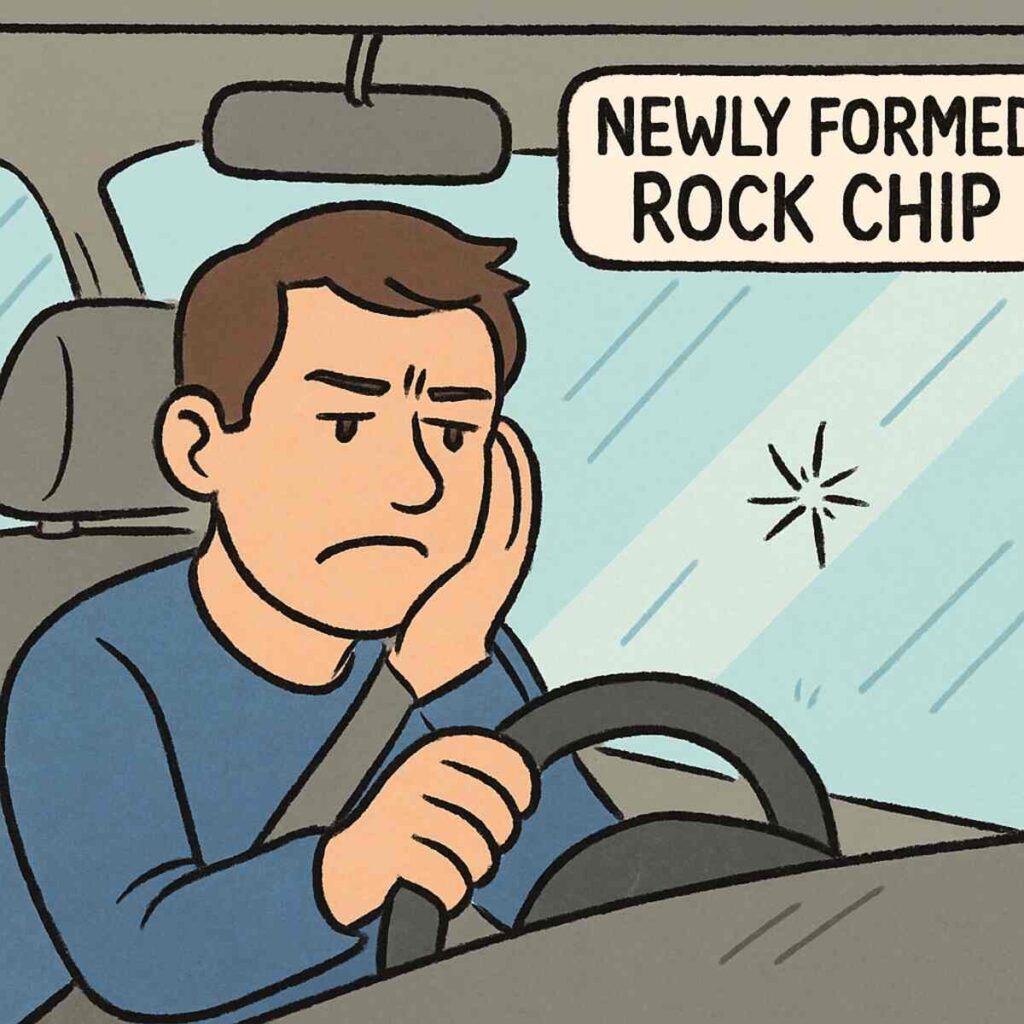

It is a sound every driver dreads. You are cruising down the highway, enjoying the open road, when suddenly a stray pebble kicked up by a passing truck strikes your windshield with a sharp, startling crack. In a fraction of a second, your pristine view of the road is interrupted by a jagged blemish. Best way to find the car glass repair.
For many drivers, the immediate reaction is frustration, followed closely by a desire to ignore the problem. After all, if the chip is small, how much harm can it really do? The truth is that your vehicle’s glass is not just a cosmetic feature designed to keep the wind out of your hair; it is a highly engineered, integral component of your car’s structural safety system.
Whether you are dealing with a microscopic chip, a sprawling spiderweb crack, or irritating surface scratches, understanding the intricacies of car glass repair is essential for every vehicle owner. Delaying action can turn a quick, inexpensive fix into a costly and time-consuming ordeal. In this comprehensive guide, we will explore everything you need to know about maintaining, repairing, and replacing your auto glass. From navigating the comprehensive insurance glass claim process to understanding the latest advancements in modern automotive safety technology, this guide will equip you with the knowledge to make the right decisions for your vehicle.
The Hidden Dangers: The Safety of Driving with a Cracked Windshield
To truly appreciate the importance of prompt windshield repair, you must first understand the role your auto glass plays in keeping you safe. Many people mistakenly view the windshield as a simple barrier against weather and debris. In reality, modern automotive design relies heavily on the windshield to maintain the overall structural integrity of the cabin.
Understanding Laminated Safety Glass Structural Integrity
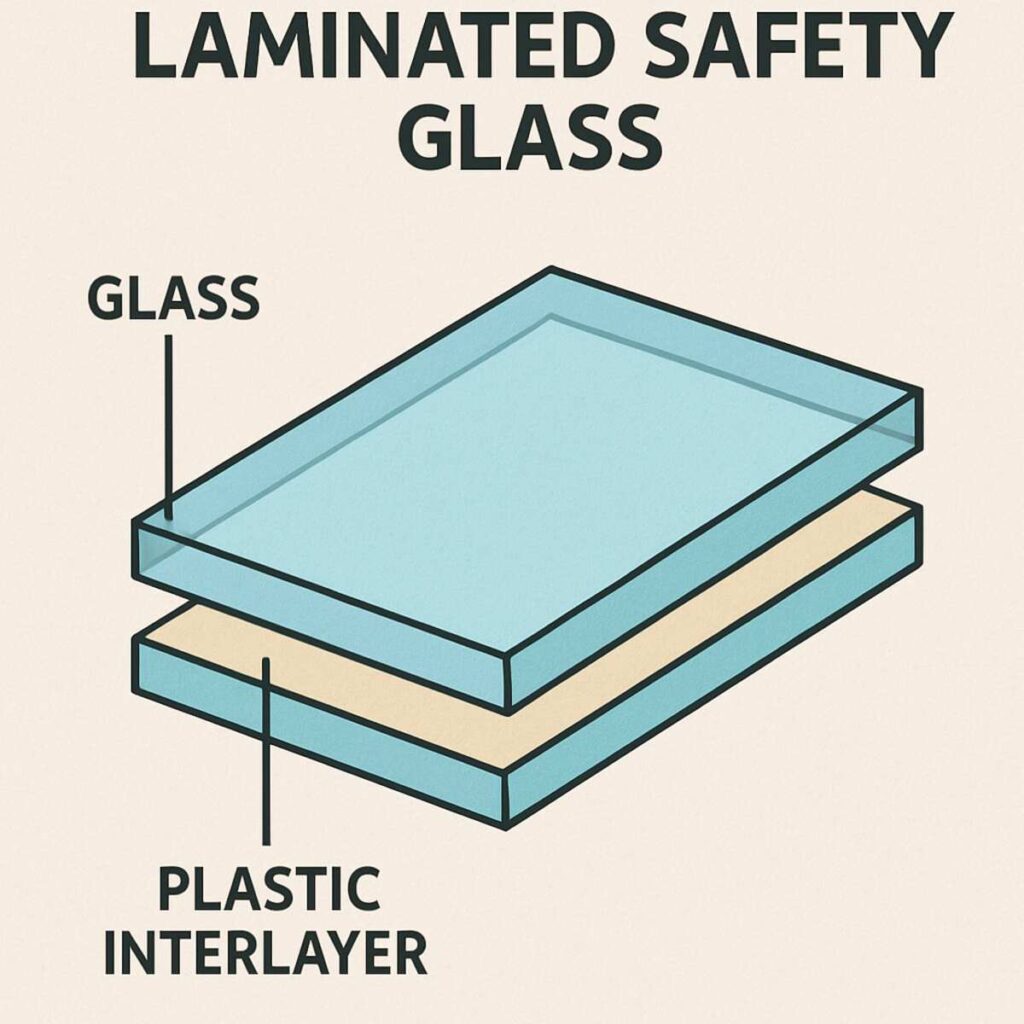
Unlike the tempered glass used in your vehicle’s side and rear windows—which is designed to shatter into small, blunt cubes upon impact—your windshield is made of laminated safety glass. This specialized material consists of two layers of curved glass bonded together by a tough, flexible inner layer of polyvinyl butyral (PVB) plastic.
This construction serves several vital life-saving purposes. First, the laminated safety glass structural integrity ensures that if a heavy object strikes the windshield, the glass may crack, but it will adhere to the plastic interlayer rather than shattering inward onto the occupants.
Furthermore, the windshield accounts for up to 45% of the vehicle cabin’s structural integrity in a front-end collision and up to 60% in a rollover accident. If your car flips, the windshield acts as a structural pillar that prevents the roof from caving in and crushing the occupants. A windshield that is already compromised by a severe crack has lost a significant portion of its strength. In the event of a rollover, a cracked windshield is far more likely to fail, leading to catastrophic roof collapse.
Airbag Deployment and Visual Impairment
The safety of driving with a cracked windshield is further compromised when you consider your vehicle’s airbag system. In most modern cars, the passenger-side airbag is designed to deploy upward, bouncing off the inside of the windshield before cushioning the passenger. If the windshield is cracked and weakened, the explosive force of the deploying airbag can blow the glass entirely out of its frame, rendering the airbag useless and leaving the passenger unprotected.
Additionally, a crack or chip in the driver’s direct line of sight can cause dangerous visual distortions. Sunlight or headlights from oncoming traffic can catch the edges of a crack, creating a blinding glare that obscures your view of the road, pedestrians, or obstacles.
Diagnosing the Damage: Types of Chips and Cracks
Not all auto glass damage is created equal. The type of blemish on your windshield will largely dictate the appropriate repair method. Auto glass technicians categorize damage based on its shape, depth, and cause.
- The Bullseye: Named for its resemblance to a dartboard’s center, a bullseye is a circular chip with a distinct, dark center and concentric rings. These are caused by round objects, like small pebbles, striking the glass directly. Filling bullseye and star breaks is a common procedure, and bullseyes are generally the easiest to repair cleanly because their circular nature contains the damage well.
- The Star Break: A star break features a central point of impact with multiple tiny cracks radiating outward, resembling a starburst or spider legs. These are particularly dangerous because the “legs” of the star are active stress points; without prompt repair, they will quickly branch out into long cracks.
- The Combination Break: As the name suggests, this is a hybrid of a bullseye and a star break. It features both a crushed central pit and radiating cracks. These require careful professional attention to ensure the repair resin penetrates all the microscopic fissures.
- The Half-Moon: Similar to a bullseye but not entirely circular, the half-moon chip lacks a full concentric ring. It is caused by an object striking the glass at an acute angle.
- The Spiderweb Crack: Often resulting from a heavy impact or severe structural stress, a spiderweb crack is a complex, sprawling network of cracks. Stopping a spiderweb crack from spreading is incredibly difficult once it grows beyond a few inches, often necessitating a full glass replacement.
The Golden Rule: When to Replace vs Repair Windshield
One of the most common dilemmas car owners face is deciding whether an issue requires a simple repair or a full-scale replacement. Understanding when to replace vs repair windshield damage can save you time, money, and ensure your safety.
While auto glass technology has advanced significantly, there are hard limits to what can be safely repaired. Here are the professional guidelines used to determine the best course of action.
The Criteria for Windshield Repair
A repair is usually a viable, safe, and cost-effective option if the damage meets the following criteria:
- Size: The general industry rule of thumb is the “dollar bill rule.” If the entire crack or chip can be covered by a standard dollar bill (roughly 6 inches in length), it can usually be repaired. For chips (like bullseyes or star breaks), they should ideally be smaller than a quarter (about 1 inch in diameter).
- Depth: The damage must only penetrate the outer layer of the laminated glass. If a rock has punctured through the outer glass, through the PVB plastic interlayer, and into the inner layer of glass, a repair is impossible.
- Location: The location of the chip is arguably the most critical factor. Repairs cannot be performed if the damage is located:
- In the driver’s primary line of sight: Even the best repairs leave a slight blemish or distortion. If this distortion is directly in front of the driver’s eyes, it is a safety hazard, and the windshield must be replaced.
- At the edge of the windshield: Cracks that touch or originate from the outer edge of the windshield compromise the structural seal of the glass. These “edge cracks” spread rapidly and necessitate replacement.
- In front of ADAS sensors: If the damage is located in front of the forward-facing cameras or sensors mounted behind the rearview mirror, repairing it could distort the lens’s view, causing safety systems to fail.
The Criteria for Windshield Replacement
If the damage falls outside the repairable parameters, a full windshield replacement is mandatory. You must replace the glass if:
- The crack is longer than 6 to 14 inches (depending on local state laws and shop capabilities).
- There are three or more distinct chips on the same windshield.
- The damage is older and has been deeply contaminated with dirt, road salt, or water, making a clean resin fill impossible.
- The inner layer of glass is broken.
The Science of Professional Windshield Repair
When you opt for professional car glass repair, the technician is not simply applying a layer of glue over the chip. Auto glass repair is a precise scientific process that restores both the structural integrity and the optical clarity of the glass.
The Vacuum Pressure Resin Injection Method
The industry standard for fixing chips and small cracks is the vacuum pressure resin injection method. This sophisticated process involves specialized equipment and a deep understanding of fluid dynamics.
- Preparation and Cleaning: The technician begins by meticulously cleaning the impact point, removing microscopic glass shards, moisture, and debris using a specialized drill or a metal probe.
- Creating a Vacuum: A specialized tool, often called a bridge or injector, is mounted directly over the chip using a suction cup. The injector creates a tight seal against the glass. The technician then uses the tool to draw a vacuum, sucking all the trapped air out of the microscopic fissures of the chip. This step is crucial; if air remains trapped, the resin will not be able to fill the void, resulting in a weak, highly visible repair.
- Injecting the Resin: Once the air is evacuated, the tool is reversed to force a specialized, optically clear acrylic resin into the damaged area under high pressure. The pressure forces the resin into the deepest extremities of a star break or bullseye.
- Curing the Resin: How long does windshield resin take to cure? Unlike standard glues that dry over hours, windshield resin is cured using concentrated Ultraviolet (UV) light. The technician places a UV lamp directly over the repair. Under professional-grade UV light, the curing process is incredibly rapid, usually taking only 3 to 5 minutes. The UV rays cause a chemical reaction that hardens the acrylic resin, bonding it permanently with the surrounding glass.
- Finishing and Polishing: Once cured, the injector is removed. A small drop of a denser “pit resin” is applied to the surface impact point and cured under a small plastic film. The technician then uses a razor blade to scrape the excess hardened resin flush with the glass surface, followed by a glass polish to restore a smooth, wiper-friendly finish.
When executed properly, filling bullseye and star breaks using this method restores up to 95% of the windshield’s original optical clarity and 100% of its structural strength.
The DIY Route: Windshield Chip Repair Kit Instructions
For budget-conscious car owners dealing with a minor, freshly acquired rock chip (smaller than a dime), a do-it-yourself repair kit can be a tempting option. While DIY kits generally do not achieve the flawless results of a professional vacuum pressure system, they can be highly effective at sealing the chip and preventing it from cracking further.
If you decide to take matters into your own hands, patience and precision are key. Here are comprehensive windshield chip repair kit instructions based on standard syringe-style kits available at most auto parts stores.
Tools Required:
- A commercial DIY windshield repair kit (includes resin, applicator pedestal, syringe/plunger, curing strips, and a razor blade).
- Glass cleaner and a microfiber towel.
- A pushpin or safety pin.
- Shade (initially) and direct sunlight (for curing).
Step-by-Step Guide:
Step 1: Prep in the Shade Always begin your repair in a shaded area, such as a garage. The acrylic resin is UV-activated; if you work in direct sunlight, the resin will harden prematurely before it can penetrate the chip.
Step 2: Clean and Clear the Impact Point Gently clean the glass around the chip. Use a pushpin to carefully pick out any loose glass shards from the center pit of the chip. Do not press too hard, or you risk expanding the crack.
Step 3: Apply the Adhesive Seal Peel the backing off the adhesive ring provided in the kit. Center the hole of the ring directly over the center pit of the chip and press it firmly onto the glass. Rub the ring to ensure an airtight seal.
Step 4: Attach the Pedestal Peel the top backing off the adhesive ring and press the plastic pedestal (the little nozzle) onto the ring, ensuring the tabs align. Press firmly to ensure there are no air leaks.
Step 5: Load the Resin Snip the tip off the resin bottle. Squeeze 4 to 6 drops of resin directly into the top of the plastic pedestal.
Step 6: The Plunger (Vacuum Phase) Insert the syringe or plunger into the pedestal. Pull the plunger upward to draw a vacuum and lock it in its uppermost position (usually by engaging a small wire clip into a notch on the plunger). Leave it in this position for 10 minutes. This pulls the trapped air out of the chip.
Step 7: The Plunger (Pressure Phase) Remove the syringe briefly to let air in, then reinsert it. This time, push the plunger down to create pressure and lock it into the lower notch. Leave it for 20 minutes. This pressure forces the resin deep into the cracks.
Step 8: Remove the Apparatus Gently peel the adhesive ring and pedestal off the glass. Wipe away any dripping resin quickly.
Step 9: Apply the Curing Film and UV Light Place a small drop of resin directly onto the center pit, then immediately place the clear curing square (included in the kit) over the drop. Smooth it out lightly to remove air bubbles. Move the car into direct, strong sunlight. How long does windshield resin take to cure in sunlight? On a bright day, it takes about 15 to 20 minutes. On a cloudy day, it may take up to an hour.
Step 10: Scrape and Finish Once the resin is rock hard, peel off the plastic film. Hold the provided razor blade at a 90-degree angle and vigorously scrape away the excess resin. Don’t worry, the razor blade will not scratch the glass if held perpendicular. Scrape until the repair is perfectly flush with the windshield.
Warning: DIY kits are a one-shot attempt. If the repair fails or leaves a visible blemish, a professional cannot fix it afterward, as the pathways for their professional resin are now blocked by the hardened DIY resin.
Halting the Damage: Stopping a Spiderweb Crack from Spreading
Sometimes, you cannot get to a repair shop immediately, and you don’t have a DIY kit on hand. In these situations, your primary goal is stopping a spiderweb crack from spreading until you can get professional help.
Windshields undergo immense stress from wind resistance, chassis flexing, and most importantly, thermal shock. Understanding temperature effects on glass crack expansion is vital. Glass expands when it is warm and contracts when it is cold. When a windshield is compromised by a crack, these microscopic expansions and contractions cause the glass to tear itself apart, causing the crack to “run” across the windshield in the blink of an eye.
Temporary Tactics to Prevent Spreading
- Avoid Extreme Temperature Changes: This is the most critical rule. If it is a freezing winter day, do not blast your car’s heater/defroster directly onto the cold glass. The sudden heat will cause the inside layer of glass to expand rapidly while the outside remains contracted, snapping the glass instantly. Conversely, on a blistering summer day, do not blast the AC onto a hot windshield, and never wash a hot car with cold hose water.
- Use Clear Packing Tape: Place a small piece of clear packing tape over the point of impact. This does not provide structural strength, but it keeps dirt, moisture, and windshield washer fluid from contaminating the inside of the crack. A clean crack is much easier to repair later. Do not use duct tape, as it obscures your vision and leaves a sticky residue that is hard to remove.
- Park in the Shade: Keeping the car out of direct sunlight reduces the thermal load and stress on the glass, minimizing the chances of temperature-induced expansion.
- Drive Carefully: Avoid slamming your car doors. The sudden spike in cabin air pressure from a slammed door can force a crack to spread. Similarly, avoid potholes, speed bumps, and rough dirt roads, as the vibrations can cause the crack to travel.
Beyond Cracks: Removing Light Scratches from Car Windows
Not all auto glass issues involve catastrophic breaks or rock chips. Over time, your car windows can accumulate light scratches from worn-out windshield wipers, ice scrapers, or abrasive dust caught in the window tracks. These scratches can cause annoying glares, especially during night driving.
Removing light scratches from car windows is possible, but it requires patience and the right materials. It is important to note that you can only remove light scratches. If you can catch your fingernail in the scratch, it is too deep to polish out safely; polishing deep scratches requires removing too much glass, which can create a funhouse-mirror optical distortion that makes driving dangerous.
The Glass Polishing Process
To polish out fine surface scratches, you will need a specialized abrasive known as Cerium Oxide.
- Clean the Glass: Thoroughly wash and clay-bar the exterior glass to ensure absolutely no dirt or grit remains.
- Prepare the Compound: Mix the Cerium Oxide powder with water to create a slurry with the consistency of heavy cream.
- Tape Off the Trim: Cerium Oxide can stain rubber and plastic trim, so use painter’s tape to protect the areas surrounding the glass.
- Polish Using a Machine: Apply the slurry to a rayon glass polishing pad attached to a dual-action orbital polisher or a rotary drill.
- Control the Heat: Work in small sections (about 1 foot by 1 foot). Keep the machine moving constantly and apply light to medium pressure. Crucial: Polishing glass generates immense heat. Keep a spray bottle of water handy and mist the glass frequently to keep the surface cool. If the glass gets too hot, it will warp or shatter.
- Wipe and Inspect: Periodically wipe away the slurry with a microfiber cloth to check your progress. It may take several passes to completely level the glass and remove the scratch.
The Ultimate Fix: Windshield Replacement Explained
When the damage exceeds the limits of a safe repair, windshield replacement is the only viable option. While it sounds straightforward, replacing a windshield is a highly technical procedure that must be executed flawlessly to maintain the vehicle’s structural integrity and waterproof seal.
The Replacement Process
- Removal of Trim and Wipers: The technician begins by removing the windshield wipers, the plastic cowl at the base of the glass, and any rubber molding surrounding the windshield.
- Cutting the Old Urethane: The windshield is held to the vehicle’s frame (the pinch weld) by a thick bead of incredibly strong polyurethane adhesive. The technician uses specialized knives or a wire-cutting system to cut through this tough adhesive all the way around the glass.
- Removing the Glass: Using heavy-duty suction cups, the old, damaged windshield is carefully lifted out of the vehicle frame.
- Prepping the Pinch Weld: The technician trims the old urethane down to a thin, even layer (about 1-2 millimeters). They then clean the metal frame and apply a chemical primer to any exposed bare metal to prevent rust. Rust on the pinch weld is a severe issue, as it prevents the new adhesive from bonding, leading to leaks and structural failure.
- Applying New Adhesive: A fresh, thick bead of automotive-grade urethane adhesive is applied continuously around the perimeter of the frame using an electric caulking gun.
- Setting the New Glass: The new windshield is meticulously aligned and gently set into the wet urethane. The glass is pressed firmly to ensure a watertight seal.
- Safe Drive-Away Time (SDAT): You cannot drive the car immediately. The urethane must cure to reach a safe structural strength. Depending on the humidity, temperature, and type of urethane used, the Safe Drive-Away Time can range from 30 minutes to a few hours.
The Great Debate: OEM vs Aftermarket Auto Glass Quality
When replacing your windshield, you will often be faced with a choice regarding the type of glass to use. Understanding the nuances of OEM vs aftermarket auto glass quality is crucial for making an informed decision.
- OEM (Original Equipment Manufacturer) Glass: This glass is manufactured by the same company that provided the original glass for your vehicle on the assembly line (e.g., Pilkington, PGW, Sekurit). It bears the automaker’s logo (like Ford, Honda, or BMW) and is guaranteed to meet the exact specifications, thickness, tint, and acoustic properties of your original windshield. It is generally the highest quality option but comes at a premium price.
- OEE (Original Equipment Equivalent) / Aftermarket Glass: This glass is made by manufacturers who did not supply the glass to the automaker. While it must legally meet minimum Department of Transportation (DOT) safety standards, it is reverse-engineered. Consequently, aftermarket glass can sometimes vary slightly in thickness, curvature, or color tint. In some cheaper aftermarket brands, drivers have reported minor optical distortions or increased cabin noise due to a lack of acoustic dampening layers. However, high-quality aftermarket glass can be an excellent, cost-effective alternative to OEM.
When deciding, factor in your vehicle’s age, your budget, and whether your insurance policy explicitly covers OEM parts. If your vehicle features a Head-Up Display (HUD) or complex noise-canceling acoustics, insisting on OEM glass is highly recommended to ensure these features continue to function flawlessly.
The High-Tech Complication: ADAS Sensor Recalibration After Glass Replacement
In the past, replacing a windshield was entirely a mechanical job. Today, it is just as much a software and technology job. Modern vehicles are equipped with Advanced Driver Assistance Systems (ADAS). These are the technologies that power features like Lane Departure Warning, Forward Collision Warning, Automatic Emergency Braking, and Adaptive Cruise Control.
The primary hardware for these life-saving systems is a forward-facing camera usually mounted to a bracket directly attached to the inside of the windshield, hidden behind the rearview mirror.
Why Recalibration is Non-Negotiable
When a windshield is replaced, the camera must be removed from the old glass and mounted to the new one. Even a microscopic variance in the curvature of the new glass, or an installation angle that is off by a fraction of a millimeter, will alter the camera’s line of sight.
If the camera’s view is pitched off by just one degree, at a distance of 100 feet down the road, the system’s “vision” could be off by several feet. This means your car might incorrectly calculate the distance to the vehicle ahead, causing your automatic emergency braking to trigger too late, or causing your lane-keep assist to steer you into oncoming traffic.
Therefore, ADAS sensor recalibration after glass replacement is absolutely mandatory. It is a complex procedure performed by specially trained technicians using advanced computer software and diagnostic tools.
Types of Recalibration
There are two primary methods of ADAS recalibration, dictated by the vehicle’s manufacturer:
- Static Recalibration: This is performed in a highly controlled shop environment. The vehicle is parked on a perfectly level floor. The technician sets up specialized targets (boards with specific black-and-white geometric patterns) at precise distances and heights in front of the vehicle. A computer is plugged into the car’s OBD-II port, forcing the car’s computer to read the targets and reset its central axis.
- Dynamic Recalibration: This method requires the technician to plug a diagnostic tablet into the vehicle and drive the car at specific speeds on clearly marked roads (often requiring well-painted lane lines and no rain/snow) until the camera recalibrates itself by observing the environment.
Recalibration adds both time and expense to a windshield replacement, but skipping it is a massive safety hazard that compromises the advanced safety features you paid for when buying the car.
Convenience at Your Door: Mobile Auto Glass Technician Services
In today’s fast-paced world, finding the time to drop your car off at a repair shop for half a day can be a logistical nightmare. Enter the convenience of mobile auto glass technician services.
Many reputable auto glass companies offer fleets of fully equipped vans that can travel to your home, office parking lot, or even a roadside location to perform repairs or replacements on-site.
The Benefits of Mobile Service
- Ultimate Convenience: You can continue working or relaxing at home while the technician handles the repair in your driveway.
- Safety First: If your windshield is severely shattered, driving it to a shop is incredibly dangerous and often illegal. Mobile services bring the shop to you, eliminating the risk.
- Efficiency: Most mobile repairs (for chips) take less than 30 minutes, and full replacements take about an hour (plus the Safe Drive-Away Time).
The Limitations of Mobile Service
While incredibly convenient, mobile services are at the mercy of Mother Nature. Auto glass adhesives and repair resins require specific temperature and humidity ranges to cure properly. If it is raining, snowing, or excessively cold/hot, and you do not have a covered, climate-controlled garage, the technician may be forced to reschedule or ask you to bring the vehicle into their physical shop to ensure a safe, lasting installation. Additionally, some complex static ADAS recalibrations must be done in a shop due to the level-floor and space requirements for the targeting equipment.
Navigating the Financials: Costs and Insurance
When auto glass breaks, the immediate thought turns to the wallet. Understanding the cost of fixing auto glass cracks and how to navigate the insurance system can alleviate much of the stress associated with the repair.
The Cost of Fixing Auto Glass Cracks and Replacements
The out-of-pocket cost for auto glass work varies wildly based on your vehicle’s make, model, the type of glass, and the technology embedded within it.
- Chip and Crack Repair: Fixing a simple bullseye or star break is highly affordable. Professional repairs typically range from $50 to $150. Many shops offer discounts for repairing multiple chips on the same windshield during the same visit.
- Standard Windshield Replacement: For an older vehicle without advanced sensors (e.g., a 2010 Honda Civic), a standard aftermarket windshield replacement might cost between $200 and $400.
- Modern Tech-Heavy Windshield Replacement: If you drive a newer vehicle equipped with a rain sensor, an acoustic laminate, a heated wiper park area, a Head-Up Display (HUD), and ADAS cameras, the replacement cost skyrockets. The glass itself is expensive, and you must factor in the ADAS recalibration fee (which alone can cost $150 to $500). Total replacement costs for modern vehicles frequently range from $700 to $1,500+, with luxury vehicles often exceeding $2,000.
The Comprehensive Insurance Glass Claim Process
Because driving with a damaged windshield is a significant safety and liability risk, auto insurance companies actively encourage drivers to fix glass issues immediately.
If you carry Comprehensive Coverage on your auto insurance policy, glass damage is usually covered. Here is how the comprehensive insurance glass claim process typically works:
- The “No-Fault” Nature of Glass Claims: Glass damage caused by rocks, hail, or falling branches is considered an “Act of God” or unavoidable road hazard. Therefore, filing a comprehensive glass claim will generally not cause your monthly insurance premiums to increase, as it is considered a no-fault claim.
- Repair vs. Replace Deductibles:
- For Repairs: To incentivize you to fix chips before they grow into expensive cracks, the vast majority of insurance companies will waive your deductible entirely for a windshield repair. This means you can have a professional repair the chip for absolutely $0 out of pocket.
- For Replacements: If the windshield must be completely replaced, you will typically have to pay your comprehensive deductible (often $250, $500, or $1000) before insurance covers the rest.
- Special Glass Coverage: If you live in a state prone to road debris (like Arizona, Florida, Kentucky, South Carolina, or Massachusetts), state laws or optional policy add-ons may mandate “zero-deductible” glass replacement, meaning the insurance company pays 100% of a full replacement regardless of your normal comprehensive deductible.
- Filing the Claim: The process is exceptionally streamlined. You can usually call the glass repair shop directly; most national and reputable local chains have dedicated insurance liaisons. You provide them with your policy number, and they will interface directly with your insurance company to approve the claim, confirm coverage, and bill the insurer directly, saving you the hassle of paperwork.
Frequently Asked Questions (FAQ)
To further solidify your understanding of car glass repair, here are detailed answers to some of the most common questions vehicle owners ask.
Can I wash my car immediately after a windshield repair or replacement?
If you had a simple chip repair, you can wash your car immediately. The UV-cured resin is completely waterproof and hardened. However, if you had a full windshield replacement, you must wait at least 24 to 48 hours before going through a high-pressure car wash. The heavy water pressure and harsh brushes can shift the glass or compromise the curing urethane seal, leading to massive water leaks.
Will a repaired chip be completely invisible?
No. This is a common misconception. The primary goal of a windshield repair is to restore structural integrity and prevent the crack from spreading. While the injection of clear resin vastly improves the optical clarity (often making the chip 80-90% less visible), a faint outline, a small scar, or a tiny blemish where the impact occurred will almost always remain visible if you look closely.
Is it safe to use super glue to stop a crack?
While mentioned occasionally in old DIY forums, putting super glue in a windshield crack is a terrible idea. Super glue (cyanoacrylate) is not designed to withstand the extreme temperature fluctuations or structural flexing a windshield endures. Worse, filling a crack with super glue blocks the microscopic pathways, making it utterly impossible for a professional technician to inject proper acrylic resin later. It guarantees you will need a full windshield replacement.
Does auto insurance cover side and rear window replacements?
Yes, under comprehensive coverage. However, remember that side and rear windows are made of tempered glass. They cannot be “repaired” or patched; if they are damaged, they instantly shatter into thousands of pieces and must be fully replaced. The comprehensive insurance glass claim process works the same for these windows as it does for the windshield.
How do I know if the auto glass shop did a good job on my replacement?
A quality installation is quiet and dry. For the first few days after a replacement, drive without the radio on. Listen for an unusual “whooshing” sound of wind entering the cabin, particularly at highway speeds. A whistling sound indicates an air leak due to a gap in the urethane adhesive. Secondly, take the car through a car wash (after the 48-hour waiting period) and check the floorboards and dashboard for water drips. If you experience wind noise or water leaks, return to the shop immediately—the seal has failed, and the structural integrity of the vehicle is compromised.
Conclusion: Don’t Ignore the Small Stuff
Your vehicle’s windshield is a marvel of modern engineering—a transparent shield that supports the roof, guides the airbags, houses advanced safety computers, and protects you from the elements at highway speeds.
Treating car glass repair as an afterthought is a gamble with your safety and your wallet. That tiny star break from a stray pebble may seem insignificant today, but the relentless forces of temperature fluctuations and road vibrations are constantly working to expand it. By understanding the critical factors outlined in this guide—from assessing the laminated safety glass structural integrity to recognizing when to replace vs repair windshield damage—you are empowered to take swift, effective action.
Whether you rely on the convenience of mobile auto glass technician services for a quick vacuum pressure resin injection, or you find yourself navigating the comprehensive insurance glass claim process for a high-tech OEM glass replacement complete with ADAS recalibration, knowledge is your best defense. Do not wait for a small annoyance to spiderweb into a major crisis. Address auto glass damage immediately, protect your passengers, and maintain a crystal-clear view of the road ahead.